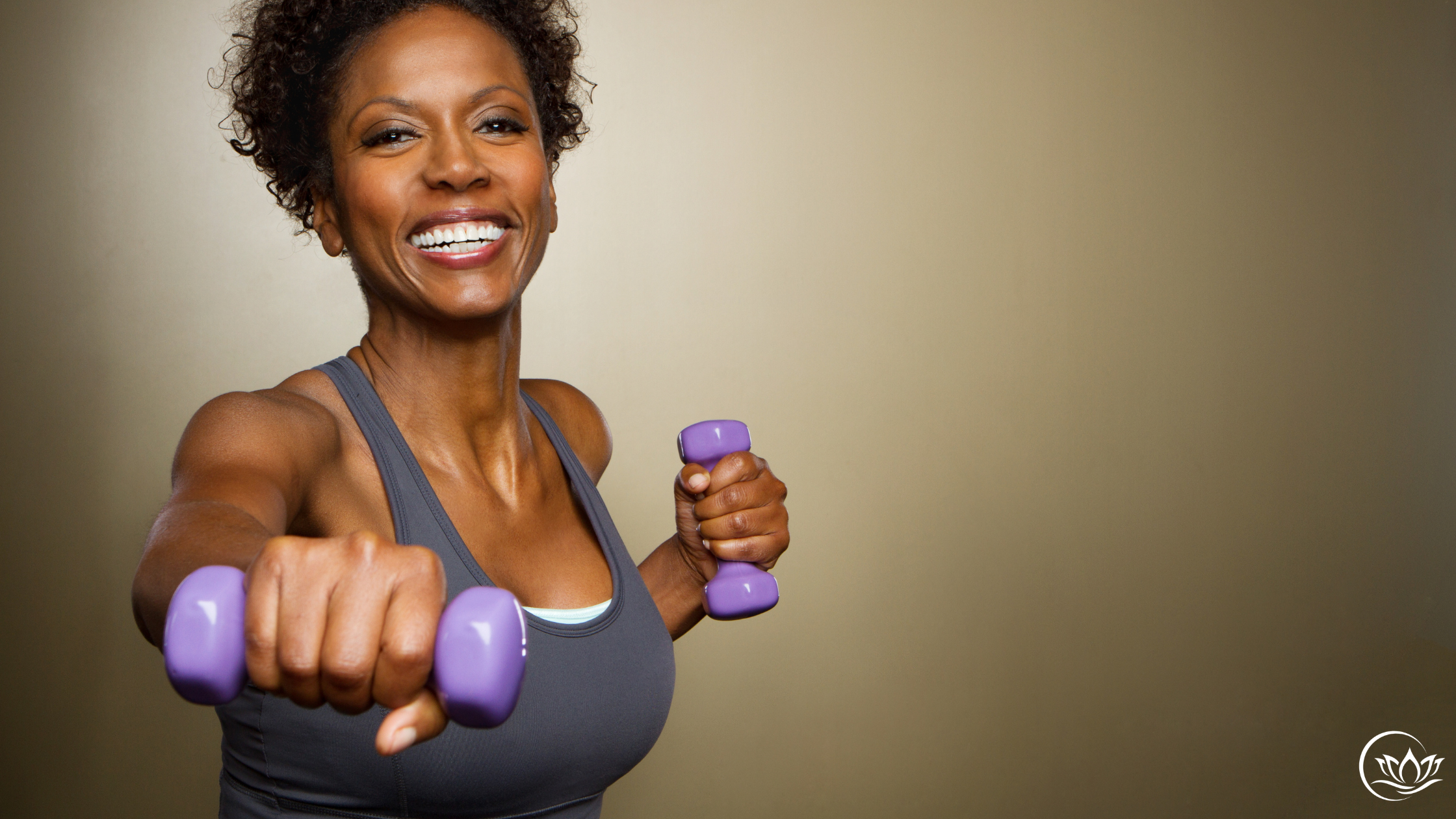
Why Weight Loss Feels Harder After 40 (And What to Do About It)
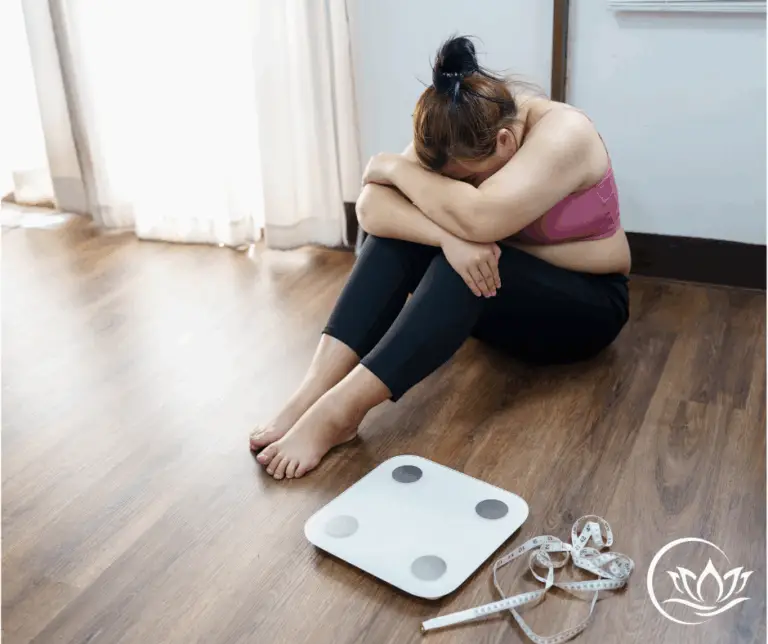
You’ve been eating well, moving your body, doing all the things you’re “supposed” to do — and the scale still won’t budge, or keeps creeping up no matter what you try. It used to be easier. And now you’re starting to think something must be wrong with you. Weight loss after 40 just isn’t working.
Something real is happening in your body. And it has nothing to do with willpower.
Two research-backed studies — one from The Journal of Nutrition and one from JAMA Network Open — help explain why weight management can feel so genuinely different in midlife. Not impossible. Not hopeless. Just… different. And different means you need a different strategy, not a more extreme one.
Let’s break it all down.
What Changes After 40
Think of your metabolism like a thermostat that used to hold pretty steady. You ate more one week, it adjusted. You skipped the gym, no big deal. But somewhere in your 40s — and especially through perimenopause and into menopause — those settings start to shift. The same routine you’ve relied on for years now produces a different result. It’s still the same house. It just needs a new setting.
Here’s what’s actually changing:
Hormones are fluctuating and declining. Estrogen and progesterone do a lot more than manage your cycle. They influence how your body stores fat, where it stores it, and how efficiently it uses energy. As they shift, your body starts redistributing fat (hi, belly), becomes more sensitive to blood sugar swings, and responds more intensely to stress hormones.
Muscle mass quietly declines. Starting in our mid-30s, we naturally lose a small percentage of lean muscle each year — a process called sarcopenia. This matters because muscle is metabolically active tissue. It burns calories even at rest. Less muscle means a lower baseline calorie burn, often without us ever noticing.
Sleep gets harder, and cortisol gets louder. Night sweats, racing thoughts, waking at 3am — midlife sleep disruption is real, and it has metabolic consequences. Poor sleep raises cortisol, your primary stress hormone, which directly affects fat storage (especially around the belly), ramps up cravings, and drives you straight toward carbs by mid-afternoon. There’s a reason this feels so relentless.
Everyday movement sneaks down. As life gets busier and recovery takes longer, most of us move less without realizing it. Fewer spontaneous steps, more sitting, less incidental movement throughout the day. This background activity — called NEAT, or non-exercise activity thermogenesis — actually accounts for a surprisingly large slice of your daily calorie burn.
All of this is real, measurable, and backed by research. It’s not a character flaw. It’s physiology.
Why Old Strategies Stop Working
A lot of us learned weight loss the hard way: eat less, move more, push through it. And for a while, that approach worked — when our hormones were steadier, our muscle was more intact, and recovery came faster. But in midlife, those same strategies can actually backfire.
Cutting calories harder. When you drastically slash your intake, your body — already stressed from hormonal shifts and disrupted sleep — reads it as a threat. It responds by holding onto fat more stubbornly, slowing your metabolism further, and flooding you with hunger hormones. You end up more fatigued, hungrier, and less likely to stick with anything. Not because you lack discipline. Because your body is doing exactly what it’s designed to do under perceived scarcity.
Doing more cardio. More isn’t always better. Excessive cardio without adequate fuel or recovery can spike cortisol, break down muscle tissue, and leave you exhausted — which leads to eating more and moving less the rest of the day. It’s a frustrating, energy-draining cycle that leaves you feeling like you’re working harder than ever for zero results.
Skipping meals. Fasting or skipping breakfast might sound like a shortcut, but in midlife it can destabilize blood sugar, spike cortisol, and set off a cascade of cravings that crumbles any good intentions by 4pm. Without protein and fiber anchoring you early in the day, willpower alone rarely holds.
Pushing through exhaustion. We’re so used to overriding our body’s signals that we don’t notice how much chronic fatigue is affecting our choices, our hormones, and our recovery. Rest isn’t lazy — in midlife, it’s genuinely strategic.
Here’s the distinction worth holding onto: harder is not the same as impossible. Weight loss after 40 isn’t out of reach. But it does require more consistency, more recovery, and a more individualized approach — not more suffering.
Plateaus aren’t proof of failure. They’re feedback. They’re your body asking you to adjust one lever, not blow up the whole plan.
What Actually Helps Now
This is where it gets good. Because the adjustments that work in midlife aren’t about white-knuckling through hunger or grinding yourself into exhaustion. They’re about working with your body instead of against it.
Lead with protein. Protein is the non-negotiable in midlife. It preserves lean muscle, keeps you full longer, and has a higher thermic effect — meaning your body actually burns more calories just digesting it. Build your meals around a solid source: lentils, tempeh, edamame, tofu, beans, hemp seeds, chickpeas. Getting 25–30g of protein at breakfast especially can reduce cravings and keep your energy steady for hours.
Load up on fiber. Fiber slows digestion, keeps blood sugar steady, and feeds your gut microbiome — all of which matter more in midlife than most of us realize. Vegetables, legumes, whole grains, and fruit do the heavy lifting here. A whole-foods, plant-forward approach naturally checks most of these boxes without having to think too hard about it.
Strength train 2–3 times a week. This might be the single most impactful shift you can make. Preserving and building lean muscle is one of the most powerful tools for your metabolism in midlife. You don’t need to lift heavy or spend hours at the gym — two 30-minute sessions a week with genuine resistance can make a meaningful difference over time.
Move more throughout the day. Remember NEAT? Increasing everyday movement — walking, taking the stairs, stretching between Zoom calls, walking after meals — can meaningfully add to your calorie burn without requiring a formal workout. A 10-minute walk after dinner is genuinely one of the best things you can do for blood sugar and digestion.
Take sleep and stress seriously. I know — easier said than done. But in midlife, sleep and stress management aren’t optional lifestyle bonuses. They are metabolic tools. Getting 7–8 hours, creating real downtime, and reducing your overall stress load directly affect cortisol, hunger hormones, and where your body holds onto fat.
Stay calorie-aware, not calorie-obsessed. Tracking can be useful for some people, but relentless calorie counting can become its own stressor — which defeats the purpose. If you’re eating mostly whole, minimally processed foods built around protein, fiber, and plants, you’re probably in a pretty good place. No spreadsheet required.
One practical starting point: Pick just one upgrade for the next seven days: add protein at breakfast, take a 10-minute walk after dinner, or do two short strength sessions. The goal is to build a pattern your body can trust — not to do everything perfectly at once.
The Bottom Line
Weight loss after 40 feels harder because, in many real and measurable ways, your body is different now. Your hormones have shifted, your muscle needs tending, and your recovery takes longer. And the all-or-nothing strategies that used to work have a way of backfiring.
But here’s what I want you to hold onto: harder is not the same as impossible.
Your body isn’t betraying you. It’s asking you to meet it where it is — with smarter strategies, a little more patience, and a whole lot more kindness toward yourself.
This week, try this: pick one thing to simply observe — your sleep, your protein intake, your daily movement, your stress level. Just notice the pattern, without trying to fix everything at once. Awareness is always the first move.
And if you’re ready to build a plan that’s actually designed for your midlife body, coaching can help.
Related Posts:
Still Hot Flashing, Exhausted, Gaining Weight or Frustrated With Midlife Changes?
In my 90-Day Midlife Reset, I help midlife women reduce bloating, sleep better, and feel like themselves again—without food rules, overwhelm, or shame.
Apply for Your Free 20-Minute Wellness Call.
Frequently Asked Questions
After 40, several things shift at once — estrogen and progesterone fluctuate and decline, lean muscle mass quietly decreases, sleep gets more disrupted, and cortisol can run higher than it used to. Together, these changes affect how your body stores fat, burns calories, and responds to food and exercise. It’s not harder because you’re doing something wrong. It’s harder because your body genuinely needs a different approach than the one that worked in your 30s.
Metabolism doesn’t usually “break,” but it does become less forgiving as body composition changes. With less lean muscle (which burns calories even at rest) and shifting hormones that affect energy regulation, your baseline calorie burn quietly drops over time — often without you noticing. The good news: building and maintaining muscle through strength training is one of the most effective ways to support your metabolism at any age.
There’s no single perfect answer, but the research consistently points to a few things that work well in midlife: prioritizing protein at every meal to protect lean muscle, loading up on fiber-rich whole foods to keep blood sugar steady, and reducing ultra-processed foods that drive cravings and energy crashes. A whole-foods, plant-forward approach naturally covers most of these bases — without needing to track every bite.
Most research suggests women in midlife benefit from more protein than general guidelines recommend — roughly 1.2–1.6g per kilogram of body weight per day, depending on activity level. A practical starting point: aim for 25–30g at each meal, beginning with breakfast. Plant-based sources like lentils, tofu, tempeh, edamame, beans, and hemp seeds can absolutely get you there.
Yes — though it takes more intention than it used to. Hormonal shifts during menopause encourage fat storage around the abdomen, but that doesn’t mean it’s permanent. Strength training, adequate protein, quality sleep, and stress management all help address the underlying drivers. The key is working with your hormonal environment rather than against it, and giving your body the time and consistency it needs to respond.