
Why Sugar and Carb Cravings Increase in Midlife (And What Your Body Is Actually Asking For)
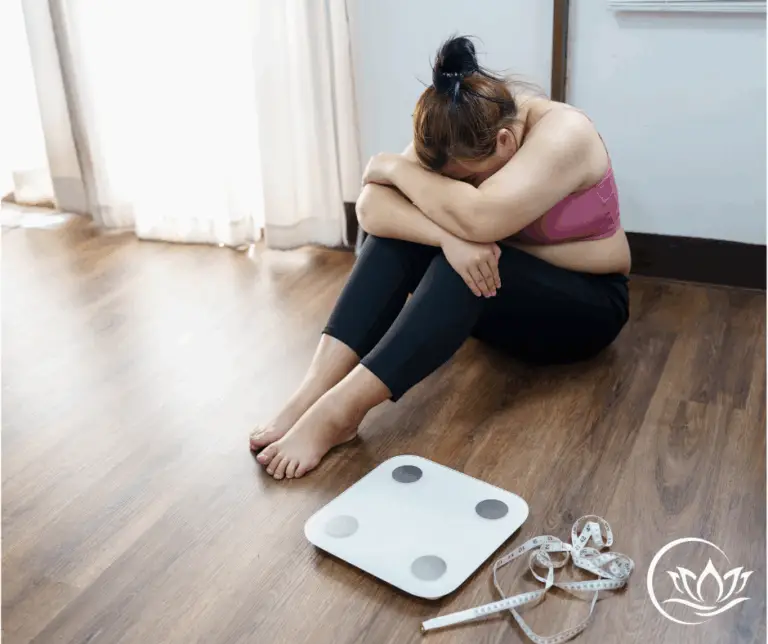
If you’re craving sugar, carbs, or comfort food more than you used to, especially later in the day, it’s not a lack of discipline. It’s your body responding to real physiological and lifestyle changes that often show up in midlife.
The longer answer — and the more helpful one — is that cravings are usually a signal, not a failure.

Cravings change in midlife — and that’s not accidental
Many women enter their 40s and 50s doing the same things they’ve always done: eating similarly, exercising regularly, trying to “be good” with food.
And yet, cravings feel stronger.
That disconnect can feel confusing and frustrating, especially if you’ve spent decades believing that cravings are something to control or overcome.
In reality, midlife is a convergence point. Multiple factors shift at once, and cravings are often one of the first places that shows up.

The most common reasons cravings increase after 40
1. Stress becomes more constant
Midlife often brings more responsibility and less recovery time. Chronic stress raises cortisol, and elevated cortisol increases the body’s demand for quick energy.
Sugar and refined carbs provide that energy efficiently. That’s biology, not weakness.
2. Blood sugar regulation becomes less forgiving
Skipping meals, eating lightly early in the day, or relying on caffeine instead of food often backfires later.
When blood sugar drops, cravings intensify — especially in the afternoon or evening.
3. Sleep disruption matters more than it used to
Even mild sleep disruption can increase hunger hormones the next day and reduce appetite regulation.
If you’re not sleeping well, cravings aren’t a mystery — they’re a predictable outcome.
4. Comfort carries more weight
Food isn’t just fuel. It’s warmth, familiarity, and relief.
When emotional load increases — as it often does in midlife — comfort foods make sense. That doesn’t mean something is “wrong.”
What cravings are actually asking for
Instead of asking “How do I stop cravings?”
A more useful question is: “What does my body need more of right now?”
Often the answer is one (or more) of these:
- more consistent meals
- more protein earlier in the day
- more rest
- more emotional decompression
- fewer decisions
Cravings are frequently a request for support, not a sign of failure.
How to respond without dieting or restriction
For many midlife women, cravings soften when the body feels steadier and better supported.
That often means:
- eating earlier and more regularly
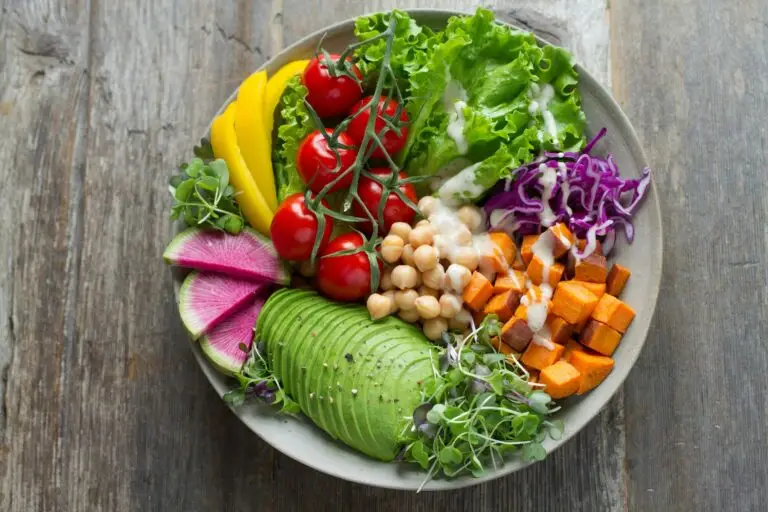
- pairing carbohydrates with protein instead of avoiding them
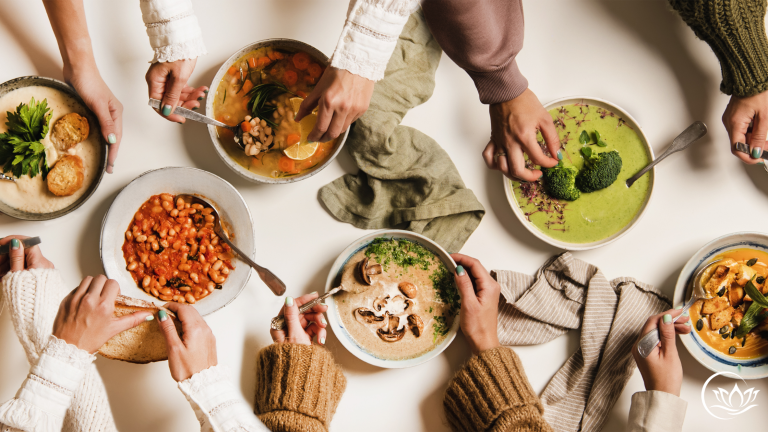
- choosing warm, grounding meals when stress is high
- pausing before reacting — sometimes the craving is stress, not hunger
And sometimes, the most supportive response is simply eating the thing — without turning it into a moral event.
The bottom line
Cravings in midlife don’t mean you’re doing something wrong. They mean your body is communicating.
Learning to listen — instead of fighting — is often the first step toward feeling more balanced, steady, and at ease with food again.
Related Content
- Meal Planning for Midlife
- Best Menopause Belly Fat Breakfast for Women Over 40
- Plant Protein for Women Over 40
- Smart Snacking in Midlife
- Stress, Sleep, Movement & Hot Flashes
- Midlife Stress Relief
Still Hot Flashing, Exhausted, Gaining Weight or Frustrated With Midlife Changes?
In my 90-Day Midlife Reset, I help midlife women reduce bloating, sleep better, and feel like themselves again—without food rules, overwhelm, or shame.