The Heart-Healthy Plate for Women Over 40
A simple midlife meal framework you can actually use
If midlife nutrition has started to feel like a group chat where everyone is talking at once, same. One minute it’s “cut carbs.” The next it’s “eat more protein.” Then it’s “watch your fats.” And somehow you’re supposed to translate all of that into a Tuesday lunch while you’re tired, hungry, and trying to act like a functioning adult.
Here’s what I’ve noticed in myself and in so many women I talk to. We don’t need more rules. We need a default. A simple pattern you can repeat at home, at work, and yes, at restaurants, without spiraling into food math.
So instead of another list of “good foods” and “bad foods,” I want to give you a framework I call:
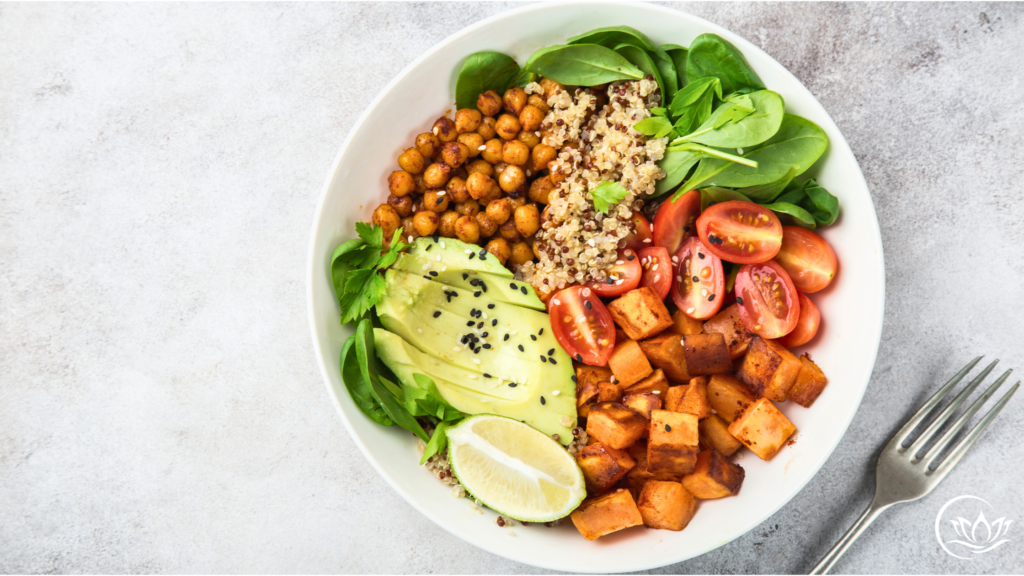
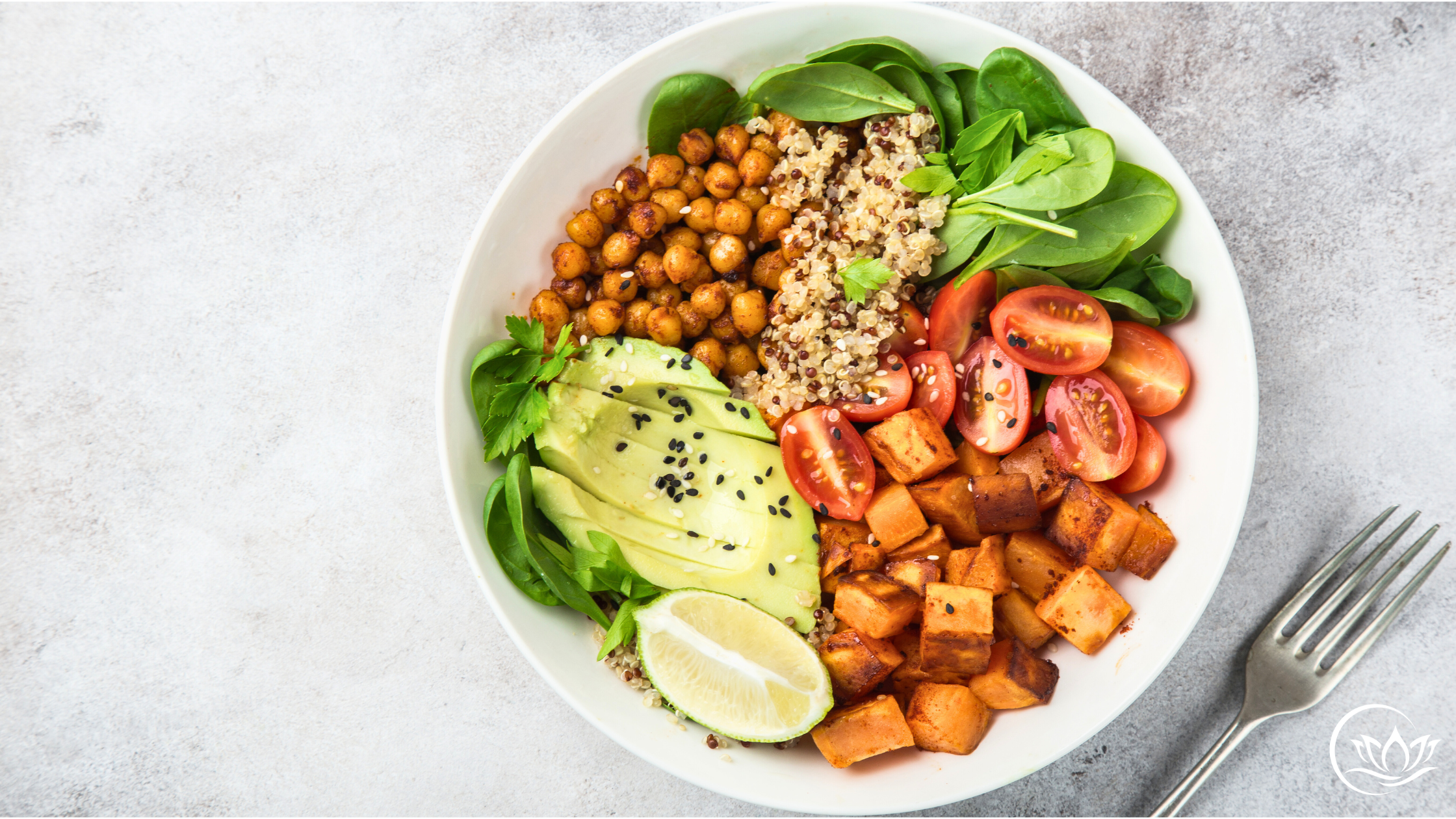
The Midlife Heart Plate
It’s built from the overlap of heart-healthy eating patterns that show up again and again in the research and major health organizations. More plants. More whole foods. Better fat quality. Fewer ultra-processed “default meals” that happen mostly because we’re busy. The American Heart Association’s overall guidance leans heavily in this direction. (heart.org)
And if you love a visual, the AHA even shares a simple “balanced plate” style infographic that mirrors this idea. (heart.org)
Now let’s make it practical.
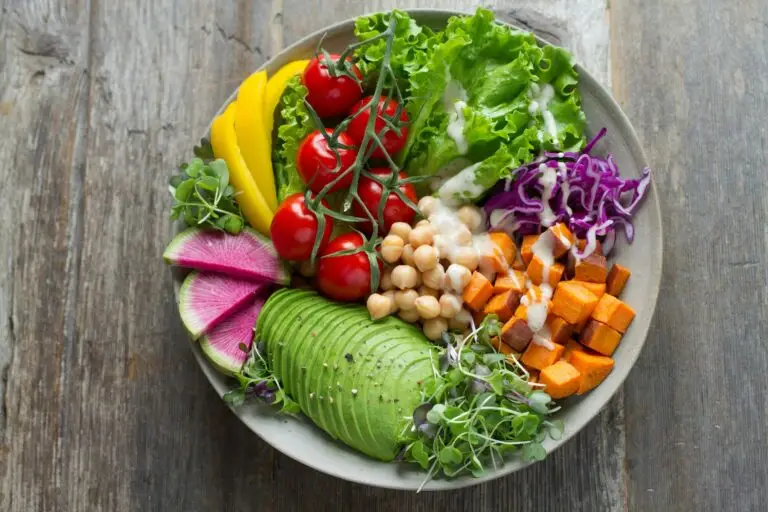
The Midlife Heart Plate template (no tracking required)
1) Half your plate: fiber-rich plants
This is the “make it feel easy” part of the meal. When half your plate is produce, everything else tends to fall into place. It’s also the piece that supports steadier energy, better digestion, and a pattern that many heart-health guidelines continue to emphasize.
Fiber-rich plants, especially non-starchy vegetables plus fruit, are also a core idea behind the plate method used in blood sugar education. The visual is simple on purpose, because the goal is repeatability, not perfection. (cdc.gov)
Instead of thinking, “I need to eat more vegetables,” think: What’s the easiest way to get plants onto this plate without turning dinner into a project?
- A big salad counts, even if it’s bagged greens poured into a bowl with whatever you have. If you’ve ever eaten salad standing at the counter while the microwave beeps, you’re in good company.
- Roasted vegetables are the “cook once, eat twice” hero. A sheet pan on Sunday turns into side dishes, bowl toppings, and snacky bites all week.
- Frozen vegetables are not a compromise, they are a strategy. Keep a couple of steam-in-bag options around for the nights you can’t pretend you love chopping.
2) Quarter plate: a protein anchor
Midlife bodies tend to like a steady anchor at meals, meaning something that helps you feel satisfied and less snacky two hours later. Protein is one of the easiest ways to create that “I’m good” feeling.
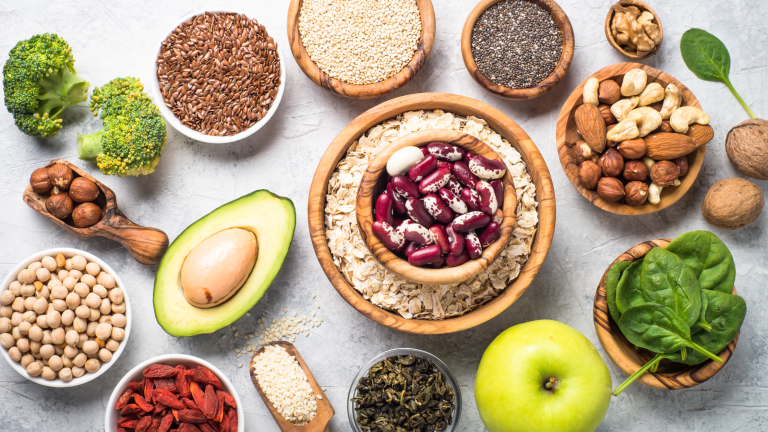
For plant-forward women, this is where your pantry staples shine. Beans, lentils, tofu, tempeh, and edamame show up again and again in heart-healthy patterns because they bring satisfaction without relying on ultra-processed defaults. (heart.org)
Try thinking of protein the way you think of a handbag. You don’t need ten. You need the one that works with everything.
- Beans and lentils are the “always reliable friend.” Toss them into salads, soups, bowls, tacos, and pasta. Keep a couple cans ready for the days you are not cooking from scratch.
- Tofu and tempeh are the “make it feel like a real meal” move. Pan-sear, air fry, crumble, marinate, or simply warm and sauce. You don’t need a complicated recipe, you just need a flavor you love.
- Soy yogurt and edamame are quiet powerhouses for busy days. A bowl of soy yogurt with berries and chia can be breakfast. Edamame can be an afternoon snack that actually holds you over.
3) Quarter plate: smart carbs
Carbs aren’t automatically the villain. The problem is usually the way carbs show up alone, without enough fiber, protein, or fat to slow things down. That’s when you get the crashy, snacky, “why am I hungry again?” feeling.
The plate method used in public health education includes carbohydrates as part of a balanced meal, with an emphasis on better-quality carb choices. (cdc.gov)
In real life, “smart carbs” means carbs that bring something to the table besides a quick hit.
- Whole grains like brown rice, quinoa, and oats tend to play well with midlife energy. They’re satisfying, they have more fiber, and they make it easier to build a meal that doesn’t leave you hunting for snacks.
- Starchy vegetables like sweet potatoes, squash, and corn are cozy, nourishing carbs that still count as whole foods. They also make dinner feel like dinner, not like you’re “on a plan.”
- Beans can do double duty. If you have a bean-heavy bowl, you may not need a huge grain portion. This is not restriction, it’s simply noticing that a meal can be balanced in more than one way.
4) Add fats intentionally
This is where meals go from “fine” to satisfying. Fats are also part of heart-healthy guidance when they come primarily from unsaturated sources like nuts, seeds, and olive oil. (heart.org)
This is also where saturated fat enters the conversation. The American Heart Association recommends limiting saturated fat to less than 6% of daily calories for people who need to lower cholesterol, because saturated fat can raise LDL cholesterol. (heart.org)
This doesn’t need to be dramatic. It just means you want your “default fats” to be the ones that support your goal.
- Nuts and seeds are the easiest upgrade you can make in five seconds. A sprinkle of pumpkin seeds on salad, chia in yogurt, walnuts on oatmeal, hemp hearts on almost anything. Tiny habit, big payoff.
- Avocado is the “make it feel luxurious” move. It turns a plain bowl into something you actually want to sit down for.
- Olive oil-based dressings and sauces bring everything together. If you find a vinaigrette you love, it becomes a shortcut to eating more plants without trying so hard.
Three real-life Heart Plate examples (because life is not a Pinterest board)
1) The work lunch you can assemble in 4 minutes
This is the lunch for the days when you have meetings, errands, and zero interest in meal prep perfection.
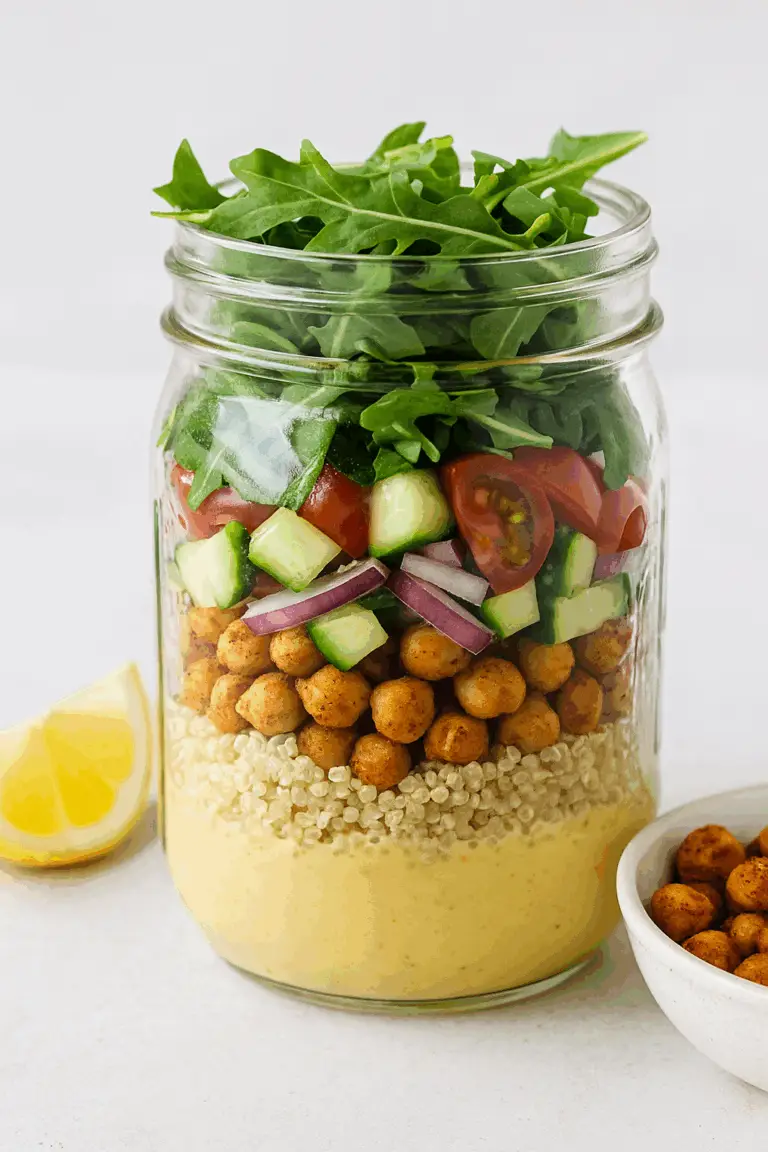
- Start with greens you don’t have to wash. Bagged salad is one of the most underrated health tools available.
- Add a can of chickpeas, lentils, or whatever bean you have. Rinse, toss, done.
- Warm up a microwave rice cup or use leftover grains from dinner. This is how yesterday’s meal becomes today’s plan.
- Finish with something crunchy and satisfying, like pumpkin seeds or walnuts. Then add dressing you actually like, because joy counts too.
2) The restaurant order that doesn’t ruin your night
If you’ve ever opened a menu and thought, “Why is everything either fried or beige?” here’s your move.
- Look for a bowl, salad, veggie plate, or anything that can be built. “Buildable” is your friend because you can quietly create the Heart Plate without announcing it to anyone.
- Ask for extra vegetables. Most restaurants will happily add greens, roasted veggies, or a side salad. It’s the easiest way to shift the plate.
- Add beans or a plant-based protein if it’s available. Even a side of lentils or a scoop of hummus can make the meal feel steadier.
- Choose one indulgence intentionally. Bread, dessert, a cocktail, or the fries you truly want. Pick the thing, enjoy it, and move on without turning tomorrow into punishment.
3) The “I can’t be bothered” dinner
This is for the nights when your brain is tired and your standards are low, but you still want to feel good later.
- Microwave frozen vegetables. Pick the kind you’ll actually eat, not the kind you think you “should.”
- Heat canned beans with seasoning, salsa, or a favorite sauce. The difference between “sad dinner” and “real dinner” is usually flavor.
- Add a grain pouch or leftover rice. Then top with avocado or olive oil and whatever crunchy thing you have. Seeds, nuts, even crushed tortilla chips if that’s what makes it feel complete.
The 7-day Heart Plate challenge (the only “challenge” I actually like)
For the next 7 days, make one Heart Plate per day.
Not every meal. Not perfect. Just practiced.
If you want a little extra insight, take ten seconds after you eat and notice what your body does with it:
- Did you feel steady through the next couple hours, or did you hit that familiar “crash and snack” moment?
- Did cravings feel quieter, or louder?
- Did your mood feel more even, or more edgy?
- Did digestion feel smoother, or off?
This is not grading yourself. It’s collecting clues.
Want help making this your default (with your cravings, schedule, and real life)?
If you want help building a version of this that fits your actual days, book a free Midlife Wellness Call. We’ll map out a few easy “default meals” so you’re not reinventing food daily.
Still Hot Flashing, Exhausted, Gaining Weight or Frustrated With Midlife Changes?
In my 90-Day Midlife Reset, I help midlife women reduce bloating, sleep better, and feel like themselves again—without food rules, overwhelm, or shame.
Apply for Your Free 20-Minute Wellness Call.
Related Content:
- Podcast Episode – The Midlife Heart Plate: A Simple Eating Framework for Cholesterol + Blood Sugar (No Tracking)
- Fiber: The Midlife Metabolism Fix You’ve Probably Overlooked
- Plant Protein for Women Over 40
- How to Lower Cholesterol Naturally After Menopause (5 Foods That Actually Help)
- Heart Symptoms in Women Over 40: 3 Midlife Signs You Shouldn’t Ignore (and What Helps)
- Blood Pressure After 40: 3 Simple Ways to Support It Naturally (Without Intense Workouts)
FAQs
A heart healthy plate is a simple framework for building balanced meals. It emphasizes fiber-rich plants (especially vegetables), a satisfying protein source, quality carbohydrates, and healthy fats as part of an overall heart-supportive pattern. (heart.org)
Not necessarily. Many women do better with a repeatable framework like the plate method, because it supports consistency without counting, measuring, or logging. (diabetesfoodhub.org)
The American Heart Association advises limiting saturated fat, especially for people working to lower cholesterol, because saturated fat can raise LDL cholesterol. Their recommendation is under 6% of daily calories from saturated fat. (heart.org)
A fast, repeatable option is a salad base plus beans, a quick whole grain, and a satisfying fat like seeds or an olive oil dressing. It’s a simple build that supports steadier energy and keeps you from feeling like you need a second meal an hour later. (heart.org)