

Your Heart Changes at Menopause — And It’s Not Just About Cholesterol
A new study reveals the real connection between menopause and heart health, and what you can actually do about it.
Have you ever wondered why women who eat well, exercise, and do “everything right” still see their heart health decline after menopause? A new study out of the University of Texas at Arlington just uncovered something most doctors aren’t talking about yet. And honestly, it changed how I think about what we’re dealing with.
Here’s what we’ve always been told: estrogen drops, cholesterol goes up, heart disease risk follows. Take care of your cholesterol, take care of your heart. Simple enough, right?
Not so fast.
Menopause and Heart Health is Bigger Than Cholesterol
Before menopause, women have significantly lower rates of heart disease than men. After menopause, that gap closes — and closes fast, even in women with no major lifestyle changes. Researchers have long known the “what,” but a new study gets closer to explaining the “how.”
The new research, led by Dr. Subhrangsu Mandal and published in Scientific Reports, found that when estrogen declines, it doesn’t just nudge your cholesterol numbers in the wrong direction. It sets off a whole-body inflammatory chain reaction starting in the liver, rippling through the immune system, and ultimately disrupting how your body processes energy and fat.
Estrogen has been quietly working behind the scenes your entire adult life, keeping your liver healthy, your inflammation in check, and your metabolism humming along. When it starts to decline during perimenopause, all of those systems start working out of sync at once.
It Starts with Inflammation
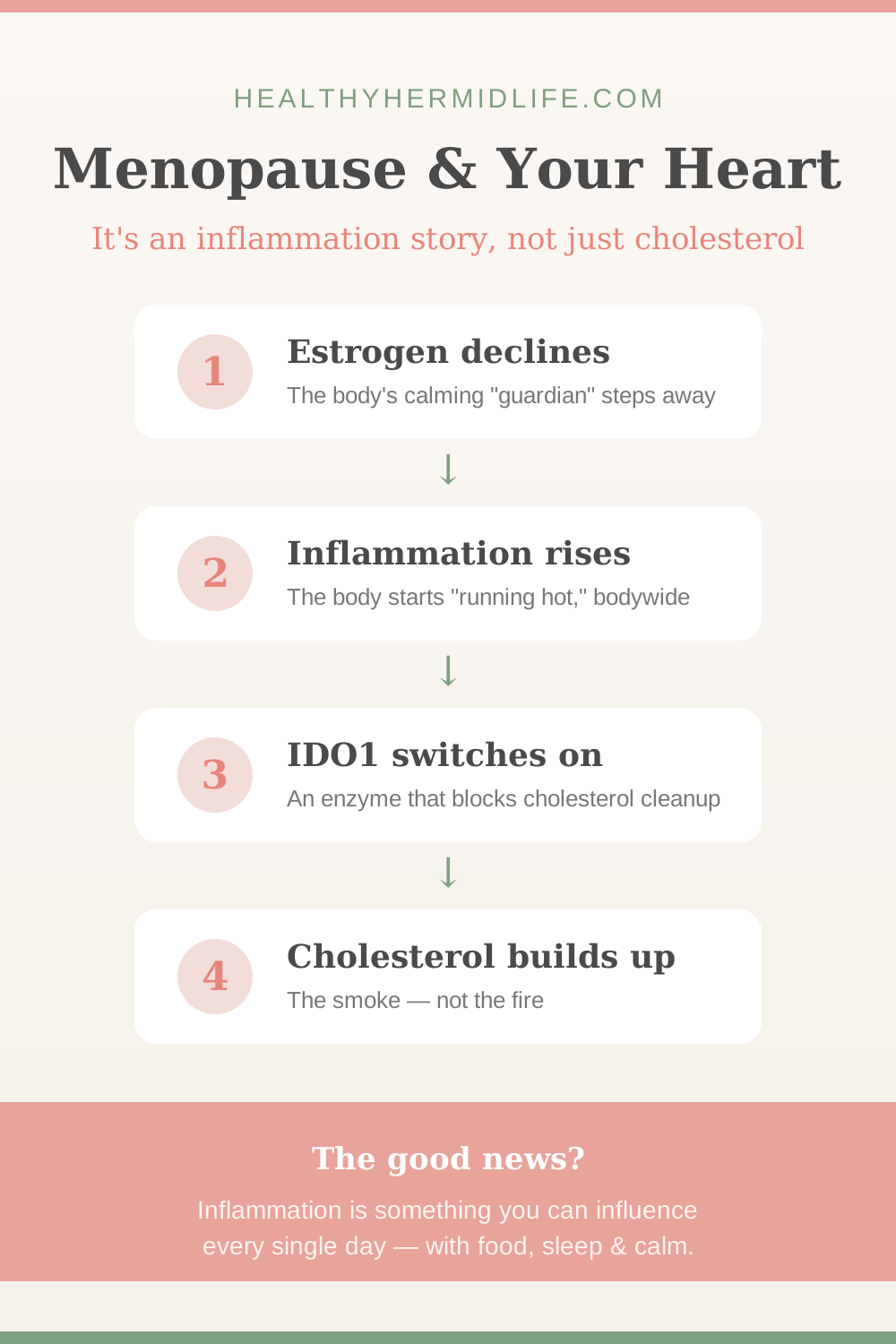
Here’s the part that reframes everything — estrogen loss has a snowball effect on our health. When estrogen leaves, the first thing that happens is your immune system loses its calming influence and starts running hot. That low-grade, bodywide “running hot” is the inflammation, and it sets in simply because estrogen is gone. Then that rising inflammation wakes up an enzyme called IDO1 — and IDO1 is where your cholesterol finally gets dragged into the story. Once it’s active, IDO1 jams the crew responsible for clearing cholesterol out of your bloodstream, pouring even more fuel on the inflammation that woke it up.
Read that one more time, because the cholesterol part is the opposite of what most of us assume. Your body isn’t suddenly making extra cholesterol on purpose. It’s that the cleanup crew responsible for removing it stops doing its job, creating a cholesterol build up. The pileup is a sign the system is malfunctioning; it’s the smoke, not the fire.
What Happens When Estrogen Leaves the Party
Here’s the analogy that finally made it click for me. Picture estrogen as the guardian who’s stood watch at your body’s door for decades — a Wonder Woman-level protector who kept the whole room calm your entire adult life. The moment she steps away from her post at menopause, the room gets restless all on its own — and that restlessness is the inflammation. The commotion is what rouses a troublemaker named IDO1, who’d been slumped in the corner the entire time she was standing guard. Now awake, he does two things: he plants himself in the doorway the cleanup crew uses to haul cholesterol out — so it backs up and piles up in the bloodstream — and he riles the room up even more. Estrogen leaves, the room turns restless, the restlessness wakes IDO1, and IDO1 both blocks the cholesterol and fans the flames.
As Dr. Mandal put it:
“Estrogen loss doesn’t just affect one organ. It creates a systemwide inflammatory state that interferes with metabolism and increases disease risk.”
I don’t know about you, but reading that made so many things click into place for me.
So… What Is Inflammation, Really?
We throw the word inflammation around constantly in the wellness world, so let’s slow down and actually define it — because it turns out to be the key to this whole story.
Inflammation is your body’s built-in defense system, and in the short term it’s a good thing. When you cut your finger or fight off a cold, your immune system rushes in, does its repair work, and then powers back down. That’s acute inflammation — fast, focused, and temporary. Exactly what’s supposed to happen.
The trouble starts when that defense system never fully powers down. When inflammation becomes low-grade, constant, and bodywide, it’s called chronic inflammation — and instead of healing you, it slowly wears you down. Picture a smoke alarm that’s meant to sound for a real fire, but instead sits there blaring softly in the background all day, every day. That low, constant hum is what quietly damages blood vessels, disrupts metabolism, and sets the stage for disease.
And this isn’t fringe thinking. Dr. Dean Ornish — the physician whose research famously showed that heart disease can be slowed and even reversed through lifestyle changes alone — has spent decades making the case that chronic inflammation is one of a handful of shared mechanisms sitting underneath most chronic diseases, from heart disease to diabetes to certain cancers. His big-picture point: the very same daily habits that calm inflammation tend to protect against all of those conditions at once.
Which is exactly why this menopause research lands the way it does. What’s happening to your heart after menopause isn’t really a cholesterol story. It’s an inflammation story. And inflammation (unlike your age or your hormones) is something you have real influence over every single day.
What You Can Actually Do With This Information
I want to be clear: this isn’t medical advice, and none of this replaces a conversation with your doctor. But the research points powerfully toward the same lifestyle levers we talk about on this blog all the time.
Here’s what the science (and this study) consistently supports for managing inflammation and protecting heart health after menopause:

- Feed your liver. Your liver is ground zero in this research. Foods supporting liver health and reducing inflammation include leafy greens; cruciferous vegetables, such as broccoli and cauliflower; beets; and foods rich in antioxidants. A whole foods, plant-based diet is one of the most well-researched ways to reduce systemic inflammation.
- Prioritize omega-3 fatty acids. Omega-3s are directly anti-inflammatory and have well-documented benefits for cardiovascular health. Plant-based sources include walnuts, flaxseed, chia seeds, and algae-based supplements (which skip the middleman entirely — you’re getting what the fish eat).
- Embrace real fiber (not just from a can). Fiber supports gut health, and your gut microbiome plays a significant role in regulating inflammation throughout the body. Most of the U.S. population is chronically not getting enough fiber. Load up on beans, lentils, vegetables, fruits, and whole grains.
- Reduce refined sugars and processed foods. These are direct drivers of inflammation. Swap the afternoon snack for something that pairs protein with healthy fat — think an apple with almond butter, or edamame with sea salt.
- Manage your stress — seriously. Cortisol and inflammation are deeply intertwined. Chronic stress keeps your body in a low-grade “threat” state, amplifying all of these effects. Even ten minutes of deep breathing, journaling, or a short walk after dinner makes a measurable difference.
- Protect your sleep. Sleep deprivation increases inflammatory markers. Full stop. If you’re cutting corners on sleep, everything else you do is working uphill.
The Bigger Picture
What I love about this research is that it reframes what we’re doing here at HealthyHerMidlife. We’re not just chasing symptom relief. We’re not just trying to feel better day-to-day. When we eat anti-inflammatory foods, reduce stress, prioritize sleep, and support our gut health, we are actively working against a biological chain reaction that, left unchecked, increases our risk of heart disease.
That is powerful. That is worth taking seriously.
And it’s also completely within reach. You don’t need a medical degree or an expensive protocol. You need consistent, nourishing choices that work with your changing body, not against it.
That’s the whole idea.
Ready to Go Deeper?
If you want a simple, practical starting point, grab my free Midlife Metabolic Reset Guide — it walks you through how to shift your nutrition to reduce inflammation, support your hormones, and get your energy back — no calorie counting, no restriction, just real food and real strategy designed for where you are right now.
👉 Download it free at HealthyHerMidlife.com
And if you want personalized support — someone to look at your specific situation and help you build a plan that actually fits your life — that’s what I do as a certified holistic nutritionist and health coach. You can learn more about working with me right here.
You’re not broken. Your body is responding to a real biological shift. And there’s a lot you can do about it.
Kristine Roberson is a certified holistic nutritionist and health coach at HealthyHerMidlife.com, where she helps midlife women navigate menopause through whole foods nutrition and sustainable lifestyle changes.
Related Links:
FAQs:
It can contribute. As estrogen declines, the body loses some of its natural ability to regulate cholesterol, and cholesterol levels often rise during the menopause transition. But the newer research suggests that’s only part of the picture — the bigger driver appears to be rising inflammation, which interferes with how your body clears cholesterol in the first place.
Because it isn’t only about what you eat. When estrogen drops, low-grade inflammation sets in and disrupts the system responsible for clearing cholesterol out of your bloodstream. So even with a healthy diet, cholesterol can build up — not because your body is making more of it, but because it’s removing less of it. The encouraging flip side is that anti-inflammatory habits work with this mechanism rather than against it.
That’s exactly what this research points to. Cholesterol is better understood as a symptom of an underlying inflammatory shift — the smoke, not the fire. That reframe matters, because it means daily choices that calm inflammation (food, stress, sleep, movement) are directly relevant to your heart health, not just your cholesterol number.
The research is consistent here: yes. A whole foods, plant-forward way of eating, regular movement, good sleep, and stress management are among the most well-studied ways to reduce systemic inflammation. These aren’t quick fixes, but small, repeatable habits add up — and they support the very pathways this study identified.
That’s a personal medical decision, and it’s one to make with your own doctor — there’s no one-size-fits-all answer, and what’s right depends on your individual health history and risk factors. What this article focuses on is the lifestyle side: the anti-inflammatory, heart-supportive habits that are available to everyone, regardless of whether hormone therapy is part of your plan. Bring this research to your healthcare provider and let them help you weigh your options.
Still Hot Flashing, Exhausted, Gaining Weight or Frustrated With Midlife Changes?
In my 90-Day Midlife Reset, I help midlife women reduce bloating, sleep better, and feel like themselves again—without food rules, overwhelm, or shame.