How to Lower Cholesterol Naturally After Menopause (5 Foods That Actually Help)
If you’ve ever looked at your cholesterol results and thought, “Wait… why is this happening now?” you’re not alone. The menopause transition has been associated with changes in cardiometabolic risk factors—including lipid changes for many women. That doesn’t mean you’re stuck with it. It means you need a midlife-friendly approach—one that doesn’t require tracking every bite. It is possible to lower cholesterol naturally after menopause.
Here are five foods with strong heart-health credibility, plus real-life ways to eat them.
First: what “lower cholesterol” usually means
When clinicians talk about “lowering cholesterol,” they’re often focused on LDL cholesterol, sometimes called “bad” cholesterol because elevated LDL is associated with increased cardiovascular risk.
Food isn’t the only factor (genetics, hormones, thyroid, stress, sleep all matter). But food patterns can support healthier numbers—especially through fiber and fat quality.
5 heart-healthy foods that support LDL (and how to use them)
1) Oats (soluble fiber)
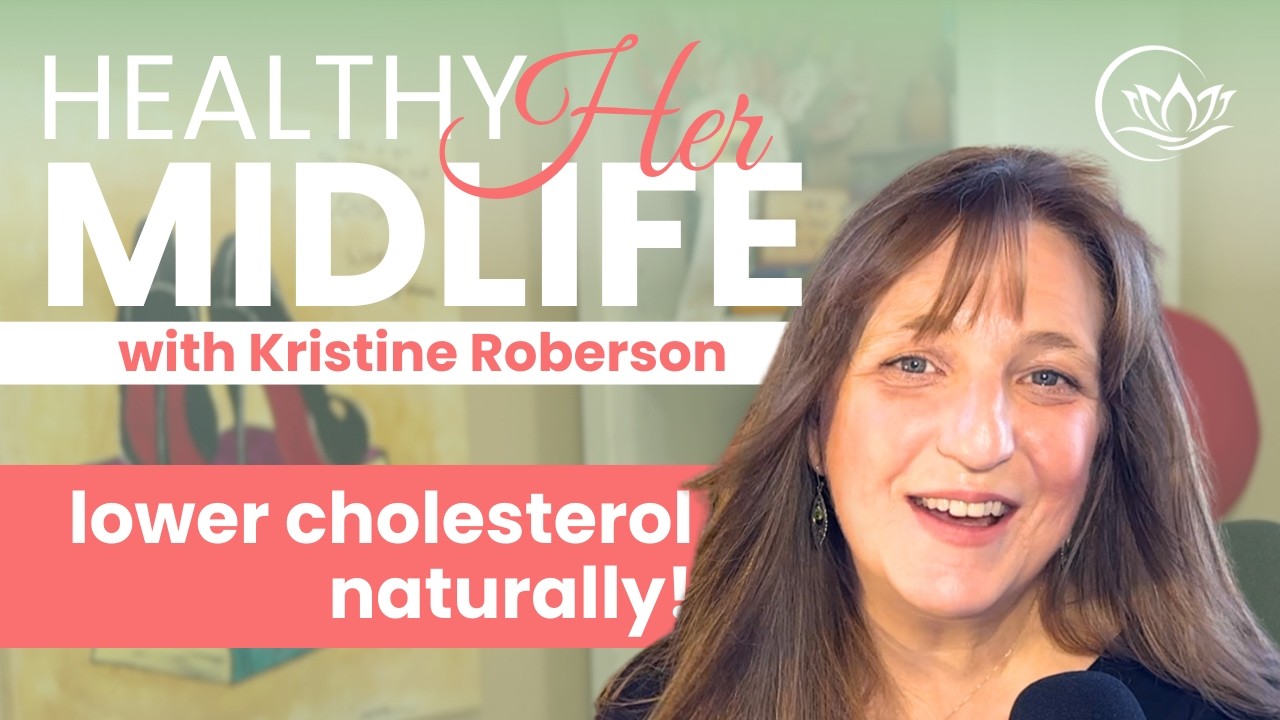
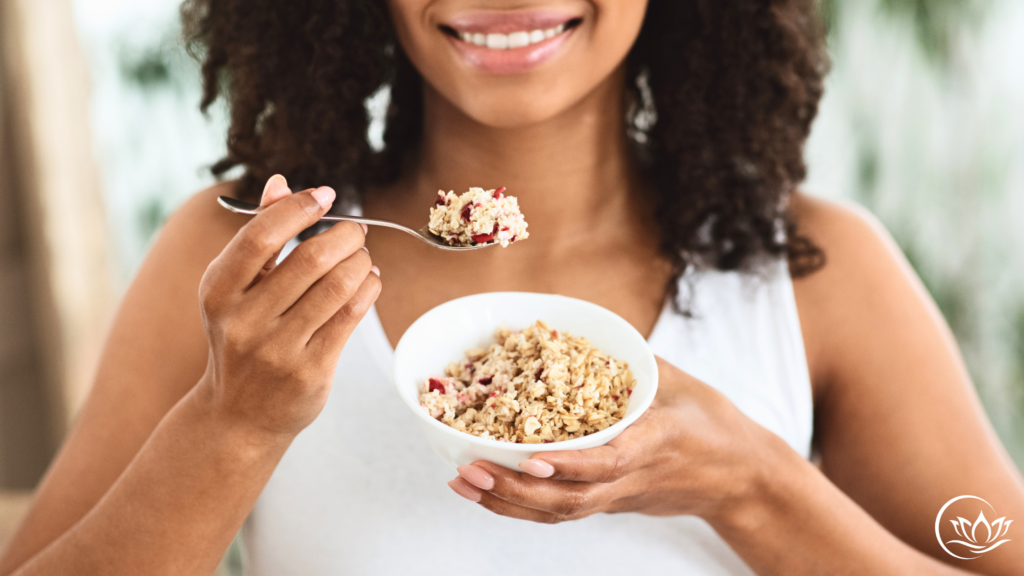
Oats contain soluble fiber that can help reduce LDL cholesterol.
Easy ways to eat more oats:
- overnight oats with berries + chia
- warm oatmeal with flax + cinnamon
- oat bran blended into smoothies
2) Beans and lentils (fiber + plant protein)
Beans bring fiber and protein together—two things midlife women often need more consistently for steadier energy and appetite.
Easy ways to use beans:
- add chickpeas to bagged salads
- lentil soup as a work lunch
- black beans in tacos
- white beans blended into sauces
If beans bother your digestion: start with small amounts, rinse canned beans, and build slowly.
3) Nuts (unsaturated fats + satisfaction)
Nuts add satiety and shift your fat intake toward heart-supportive unsaturated fats.
Easy ways:
- small handful as a 3pm snack
- walnuts on oatmeal or salad
- nut butter on toast with berries
4) Ground flax or chia (the “sprinkle habit”)
If you want a habit that takes zero extra time, this is it.
Easy ways:
- stir into soy yogurt
- add to smoothies
- top oatmeal
- mix into overnight oats
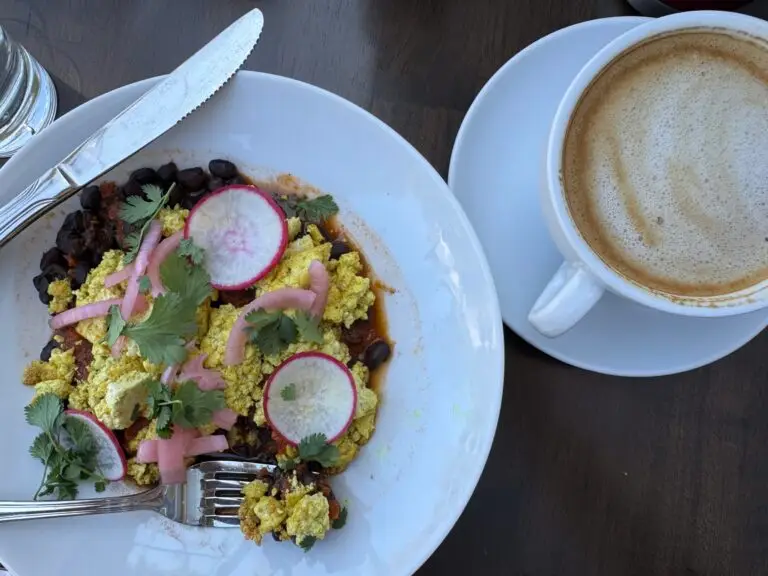
5) Soy foods (tofu, tempeh, edamame, soy yogurt)
Soy is an easy protein anchor that fits a heart-healthy pattern—especially when you’re trying to keep saturated fat lower.
The American Heart Association recommends limiting saturated fat to less than 6% of total daily calories, because saturated fat can raise LDL cholesterol.
This doesn’t mean “never eat anything fun.” It means you choose your default pattern wisely.
The easiest 7-day plan to lower cholesterol naturally after menopause: choose 2 foods and repeat
If you try to change everything at once, you’ll change nothing. Pick two foods from this list and repeat them most days this week. Repetition builds results—and it builds trust with yourself.
What if you want a personalized plan?
If your labs are confusing, your cravings are intense, or you’re stuck in the “I eat healthy but I’m still tired” loop, that’s exactly what my free Midlife Wellness Call is for. It’s a calm strategy session, not a diet lecture.
Related Blog Posts
- Heart Symptoms in Women Over 40: 3 Midlife Signs You Shouldn’t Ignore (and What Helps)
- Fiber: The Midlife Metabolism Fix You’ve Probably Overlooked
- Podcast Episode – 5 Heart-Healthy Foods to Lower LDL Cholesterol (No Dieting Required)
- What to Eat in Midlife: A Simple Framework (And Why the New Food Pyramid Misses Menopause)
FAQs
The menopause transition has been associated with shifts in cardiometabolic risk factors, including lipid changes for many women.
Soluble fiber foods like oats and beans can help reduce LDL cholesterol, and overall heart-healthy dietary patterns emphasize fruits, vegetables, whole grains, and minimally processed foods.
No. Fat quality matters. Many heart-healthy patterns emphasize unsaturated fats while limiting saturated fats.
Some guidance suggests that about 5–10 grams of soluble fiber per day can help lower LDL cholesterol.